Asking the right questions for better insights
Unlock more profound discoveries in your paranormal investigations. Learn how to craft effective questions that lead to clearer communication and more meaningful encounters. This guide is for everyone seeking to enhance their investigative results.
Why asking better questions matters
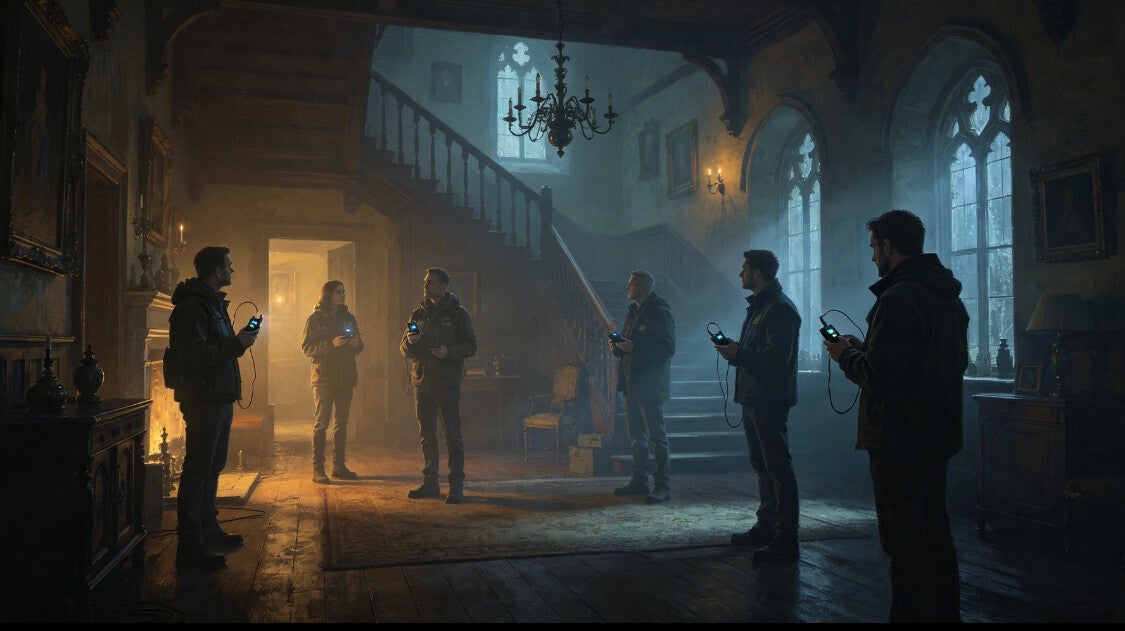
The quality of your investigation often hinges on the questions you ask. Poorly formulated questions can lead to ambiguous responses or no response at all, leaving you with more questions than answers. By learning to ask clear, concise, and purposeful questions, you can significantly improve your chances of gaining valuable insights and experiences.
Crafting effective questions for investigations
🗣️ Asking the Right Questions — The Heart of Respectful Paranormal Investigation
When we step into an investigation — whether an old building, a quiet stretch of moorland, or somewhere steeped in history — how we ask matters just as much as what we ask. The words we choose can guide, influence, or even shape what comes through from the other side. Every question is an invitation, and we want to leave the door wide open — not lead anyone down a path we’ve already chosen.
✅ Open Questions — The Gentle Way to Connect
Open questions invite a full answer, without giving any hint of what we expect or want to find. They carry no hidden assumption — just space for whatever spirit, impression, or memory is truly present. They begin with words like what, how, describe, tell me about — words that ask for something to unfold, rather than something to be confirmed.
Examples in an investigation setting:
• ❌ Not: "Did you see a tall cavalier standing by the door of Room 5?"
• ✅ Instead: "What do you notice near the doorway or in the corner of this room?"
• ❌ Not: "Did the little girl tell you her name was Mary?"
• ✅ Instead: "Is there a name, sound, or word that comes through clearly for you?"
• ❌ Not: "Do you feel sad because you died suddenly here?"
• ✅ Instead: "What feelings or emotions do you sense as you stand in this part of the building?"
• ❌ Not: "Is it the sound of a swinging chair that you hear?"
• ✅ Instead: "Describe any sounds or voices that reach you — however faint or brief."
Notice — we don’t guess which spirit may be present, we don’t name them before they’ve spoken, and we don’t fill in the gaps with our own research or hopes. We ask simply, then we listen fully — not just for the answer, but for the way it arrives, the feelings that surround it, and even what isn’t said at all.
⚠️ Leading Questions — What to Watch For During Investigations
A leading question carries its own answer inside it — it plants an expectation rather than waiting to receive one. This matters deeply in our work, because when people are quiet, focused, sensing subtle impressions, or using gentle trance and relaxation techniques, their minds become far more open and impressionable. Suggestion can feel just as real as what is truly there.
Examples that often slip into investigations without us realising:
• "You do feel someone standing behind you, don’t you?" → tells them what they should sense
• "It was a frightening time for you here, wasn’t it?" → tells the spirit how they should feel
• "Can you see the soldier in the red coat watching over the courtyard?" → describes exactly who they should look for
• "Didn’t we all hear a child laughing just then?" → turns one person’s impression into everyone’s experience
Even with the very best intentions, these questions can create experiences that weren’t actually present. What began as a genuine, quiet feeling — a shift in temperature, a fleeting shadow — can become mixed with what we suggested might be there. Over time, suggestion can harden into what feels like fact or memory — and before we know it, we are investigating what we brought with us, rather than what the building or the land actually holds.
🔍 The Difference in Practice — Why It Shapes What We Find
When we ask openly, we are receiving what is there. When we ask leadingly, we are directing what should appear. One honours the spirit — letting them speak their truth in their own way — and the other fits them into our story.
If I ask "Did you pass away in this room?" I have already decided where their story ends. If I ask "Tell us about the moments that brought you to be here," I am letting them show me their own timeline, in their own words, from their own perspective. That is respect — and it is also better investigation. The answers we discover together will always be more reliable than the ones we expected to find.
💛 Why This Matters Even More When Using Relaxation, Trance or Hypnosis
When we guide ourselves or our guests into deeper, quieter states — whether through meditation, gentle centring, or self-hypnosis before or during an investigation — the boundary between what is suggested and what is truly sensed grows softer. The mind becomes more receptive, more willing to please, and more likely to accept what is offered. An innocent phrase like "I feel something should happen in this corner" can become a vivid experience — even if nothing was present at all. This is why keeping questions open and neutral becomes not just good practice, but a matter of integrity and care for everyone present — and for those we are reaching out to.
📝 A Simple Rule for Every Investigation
Pause before you speak. Ask yourself: "Is the answer already hiding inside my question?" If it can be answered with a simple yes or no — or if it names a person, describes clothing, or suggests an emotion — pause and rephrase. Turn "Did you see…?" into "What do you see…?" Turn "Is it…?" into "Describe what you sense…?"
Always remember: We are seekers and witnesses — not story-makers. We walk gently among the echoes, we listen deeply to what wants to be heard, and we let the truth come forward in its own time and way. What we find honestly will always mean more — and stand stronger — than anything we helped create.

Putting theory into practice
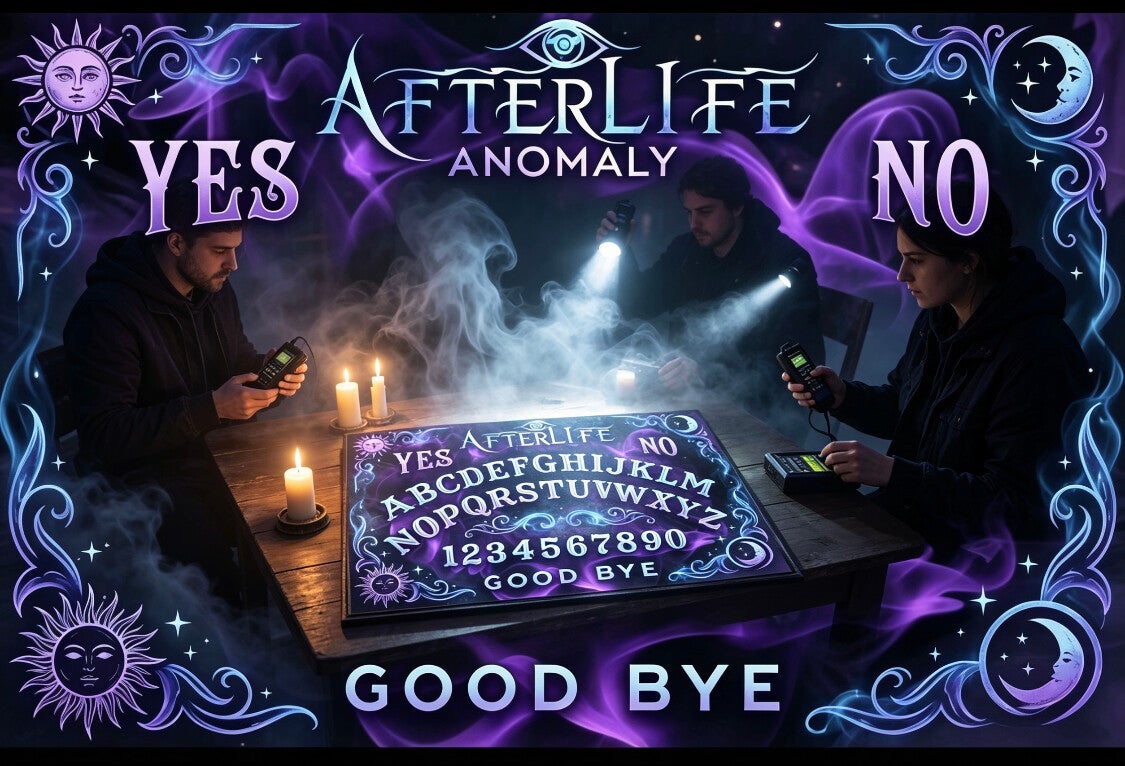
Practice makes perfect. The more you hone your questioning techniques, the more natural it will become. Before your next investigation, take time to think about potential questions related to the location's history or reported activity. This preparation, combined with an open mind and respectful approach, will contribute to a more successful and rewarding paranormal experience.
Create Your Own Website With Webador